



Course Concept
The Concept Behind The Southlinks Golf Course
Regarded as the oldest type of golf course, a links course is characterised by its coastal location, uneven fairways, deep bunkers, and windy playing conditions. While there are very few around today, links courses are considered an integral part of golf’s origins. The Southlinks Country Club golf course at Batam is a fine example of such a course.
It was designed by Mr. Hisamitsu Ohnishi, one of Asia’s most celebrated golf course designers. His portfolio includes several distinguished courses such as the Cypress Golf Club and Takamaki Country Club in Japan. Here, he explains the thinking that went into the Southlinks golf course design:
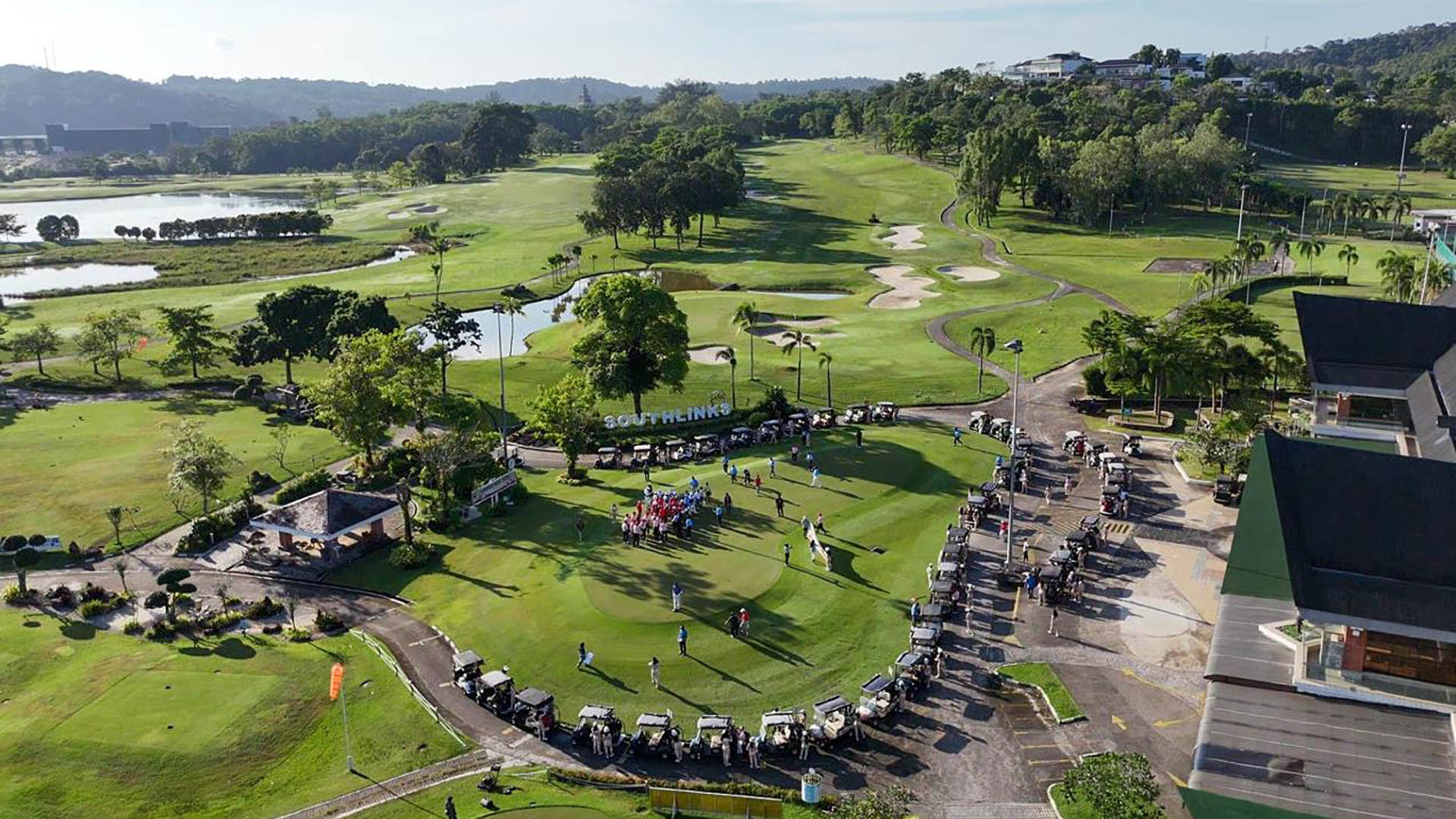
Located next to the sea, the Southlinks Country Club golf course has a lot in common with links courses in Scotland despite the climate differences. As links courses are closely associated with the origins of golf, any course designer such as me would be interested in developing one.
One defining feature of the Southlinks course is that it is spread out right to the edge of the water. There aren’t many courses in the world where you can get a great sea view and also worry about a stray shot ending up in the sea. Its location right on the equator means mangroves can also be seen on the course. These, to me, are what I think are the most interesting aspects of the Southlinks course.
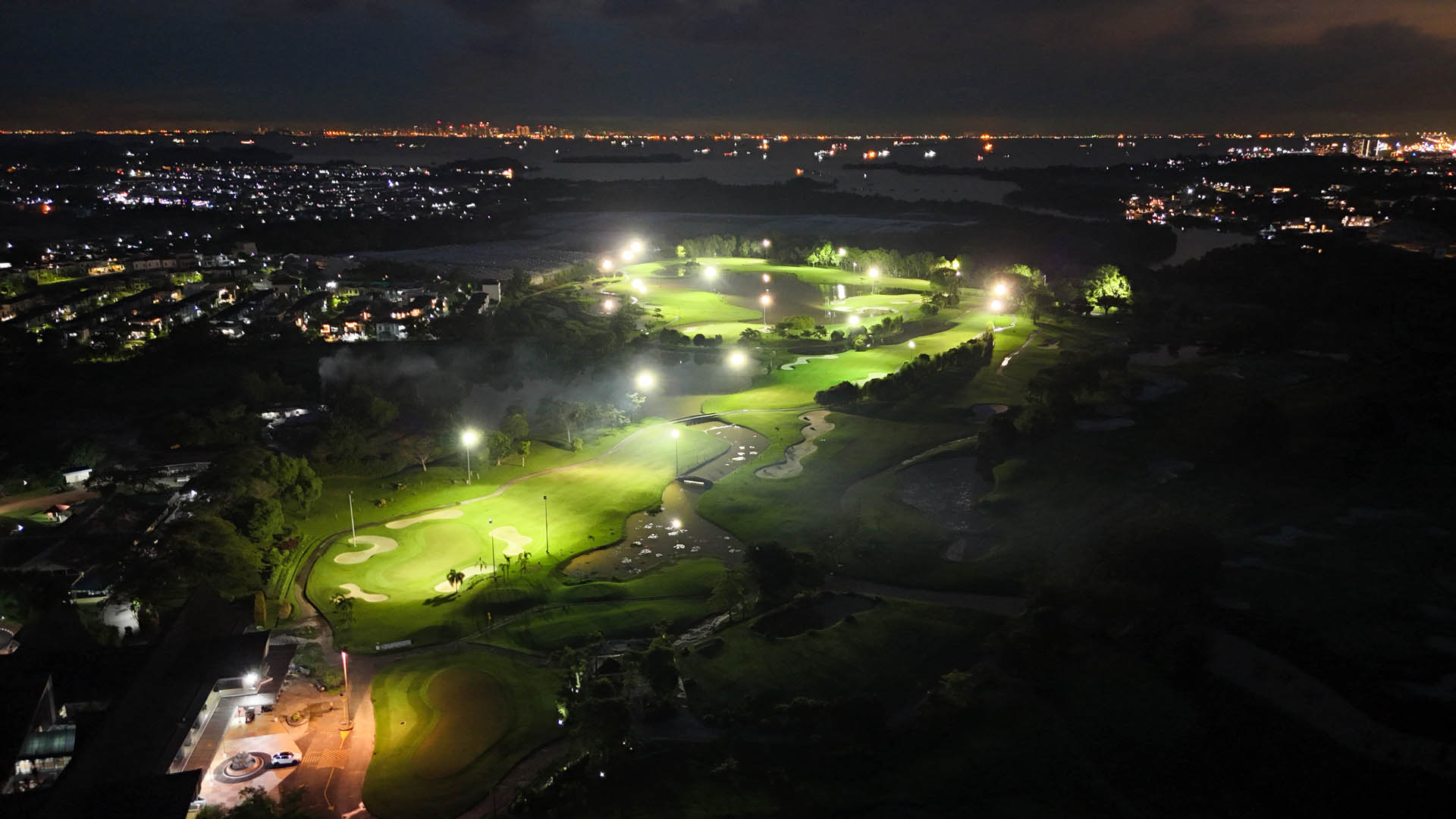
My main philosophy when designing a golf course is that it should be as natural as possible. For instance, I like courses that remain true to the natural terrain and don’t have much renovation work done— such as the Old Course at St. Andrews. If the teeing ground is shaped like a square, I think it’s unnatural as there aren’t many straight lines in nature. A curved teeing ground, on the other hand, creates a more natural atmosphere.
The 11th, 12th, 13th, 15th and 16th holes are quite memorable due to the presence of the mangrove forest. This is because as the sea level changes at high and low tide, the landscape is also altered. In addition, the 3rd, 4th, 5th, 6th, 8th and 9th holes located on the hill side allow you to look down at the sea and the mangrove forest. In the distance, you can also see Singapore’s breathtaking skyline.
The great thing about golf is that while playing it, you also get to immerse yourself in beautiful scenery and fresh air which really helps to refresh one’s self. In other words, it is the best part about living the resort lifestyle.
I designed the Southlinks course to be challenging even for professional or semi-professional golfers, while also having a good spread of hazards that make it attractive to beginners. For example, sometimes I will put the green and bunker as close as possible to make it more challenging. At the same time, I will make beginners aim for the green from other routes. By playing a round over and over again, beginners will be able to get better and achieve a good score with enough practice.
Apart from the golf course, Southlinks Country Club also offers a large variety of facilities and recreational activities the whole family can enjoy. The children can enjoy themselves at the swimming pool and playground while the grown-ups can go to the gym or engage in a tennis match or two. Such facilities are necessary because not all residents staying in the condominium are golfers.
My goal is to make Southlinks Country Club a hotspot for residents and visitors alike to mingle and come together for leisurely activities, whether for dining, a night of karaoke or a round of billiards. Because even if you don’t play golf, you will still be able to appreciate the natural beauty of the golf course.
Profile of Hisamitsu Ohnishi
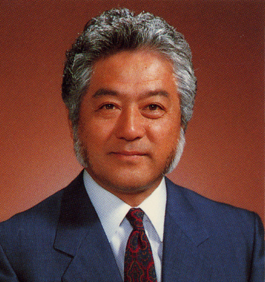
1937 – Born in Nishimiya-city, Hyogo prefecture, Japan
1959 – Started working in Japan DUNLOP Co., Ltd. (later known as Sumitomo Rubber Industries, Ltd.) Initially involved in promoting sales of golf balls, and later moved on to developing golf-related products.
1971 – Mentored in golf course design by the esteemed Peter Thomson, he assisted in the development of the Nanbu Fuji golf course in Morioka.
1984 – Became in charge of the design of the Green Academy’s opening. Since then, he has been in the business of designing full-scale golf courses.